English


Veranstaltungen der deutschen Chirurgiestiftung 2025
6. Sino-German Symposium and advanced Training Course in Implantology and Alveolar Surgery
Cooperation with the Ninth People's Hospital and the Jiao Tong University in Shanghai
Day 1| June 23, 2025
Event: Opening Ceremony | Host: Prof. Sun Jian
The 6th Sino-German Symposium and Advanced Training Course in Implantology and Alveolar Surgery commenced with an opening ceremony that reflected the academic depth and international collaboration that define this event. Prof. Sun Jian presided over a dignified program including a series of opening remarks delivered by distinguished leaders in oral and maxillofacial surgery: Prof. Ulrich Joos, Prof. Xu Yuanjin, Prof. Liu Baolin, Prof. Yang Chi, and Academician Zhang Zhiyuan.
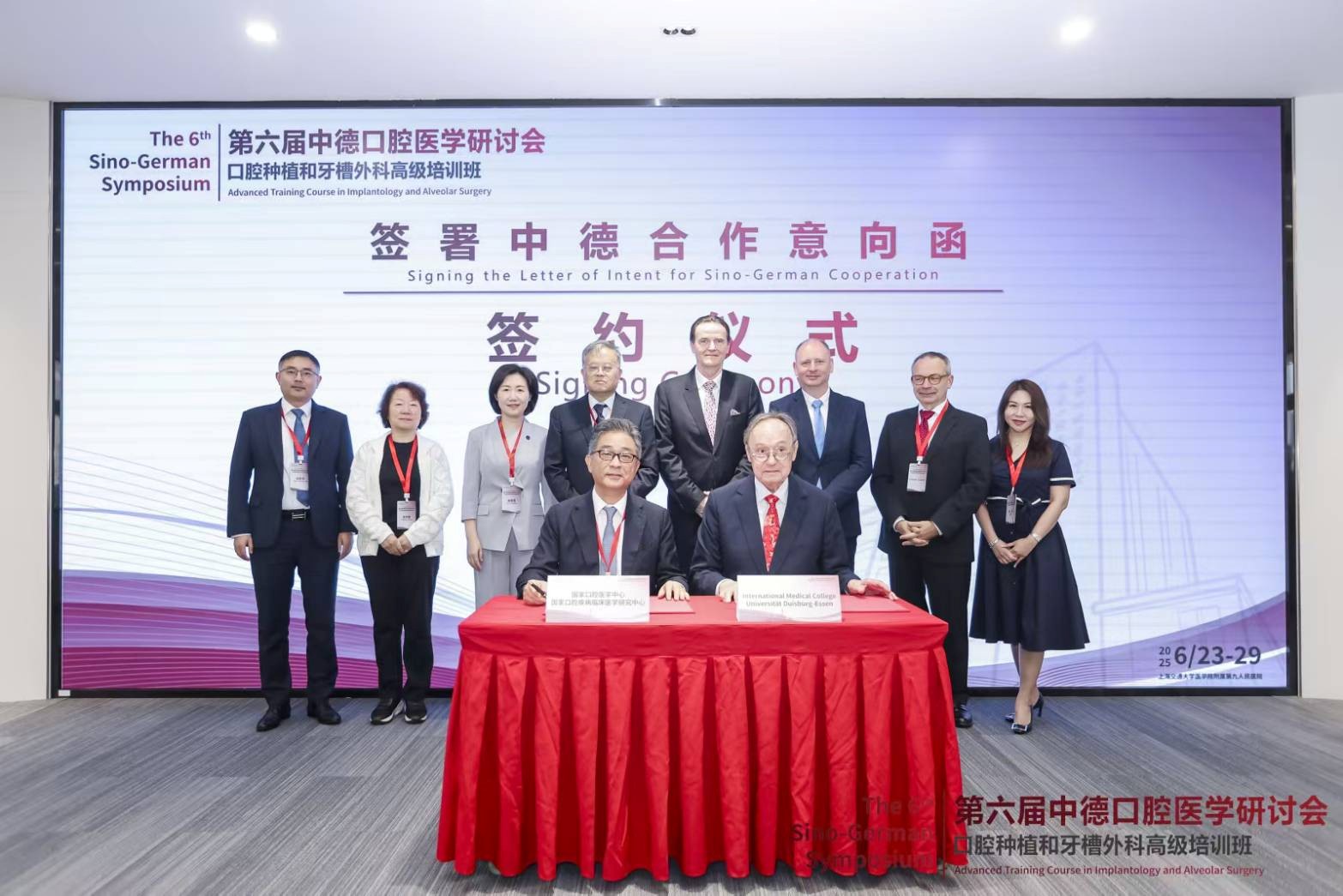
A key milestone was the signing of the letter of intent for Sino-German cooperation, with Prof. Yang Chi and Prof. Ulrich Joos as the signatories and witnessed by a panel of academic leaders from both China and Germany. This formalized the commitment to continued joint development in education, research, and clinical advancement.
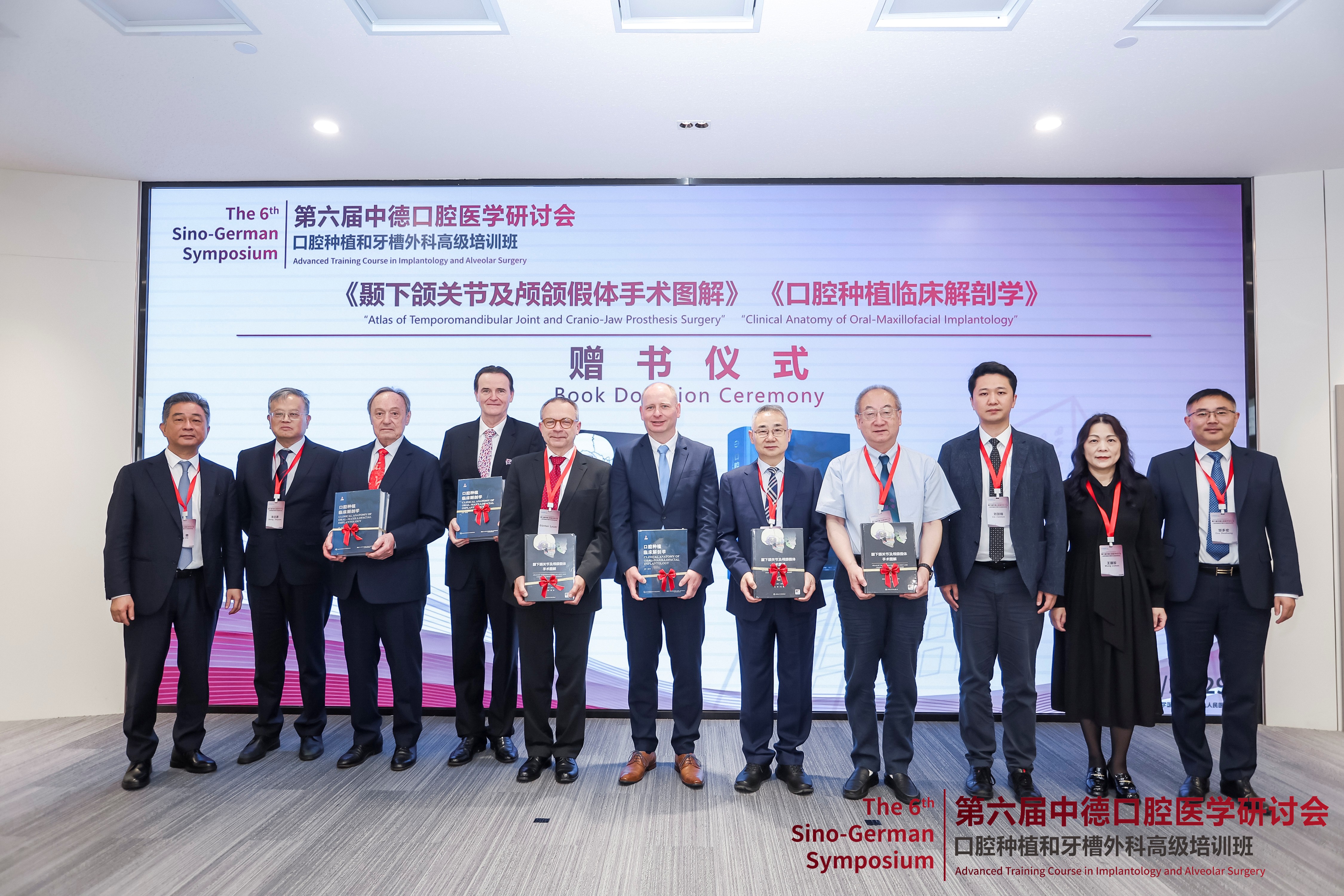
Following the signing, a book donation ceremony was held, featuring two significant academic contributions: Atlas of Temporomandibular Joint and Cranio-Maxillofacial Prosthetic Surgery and Clinical Anatomy of Dental Implantology. The ceremony concluded with a group photo to commemorate the beginning of a highly anticipated academic exchange.
Day 1| June 23, 2025
Topic: Theory and Definition of Alveolar Surgery
Host: Prof. Zou Duohong
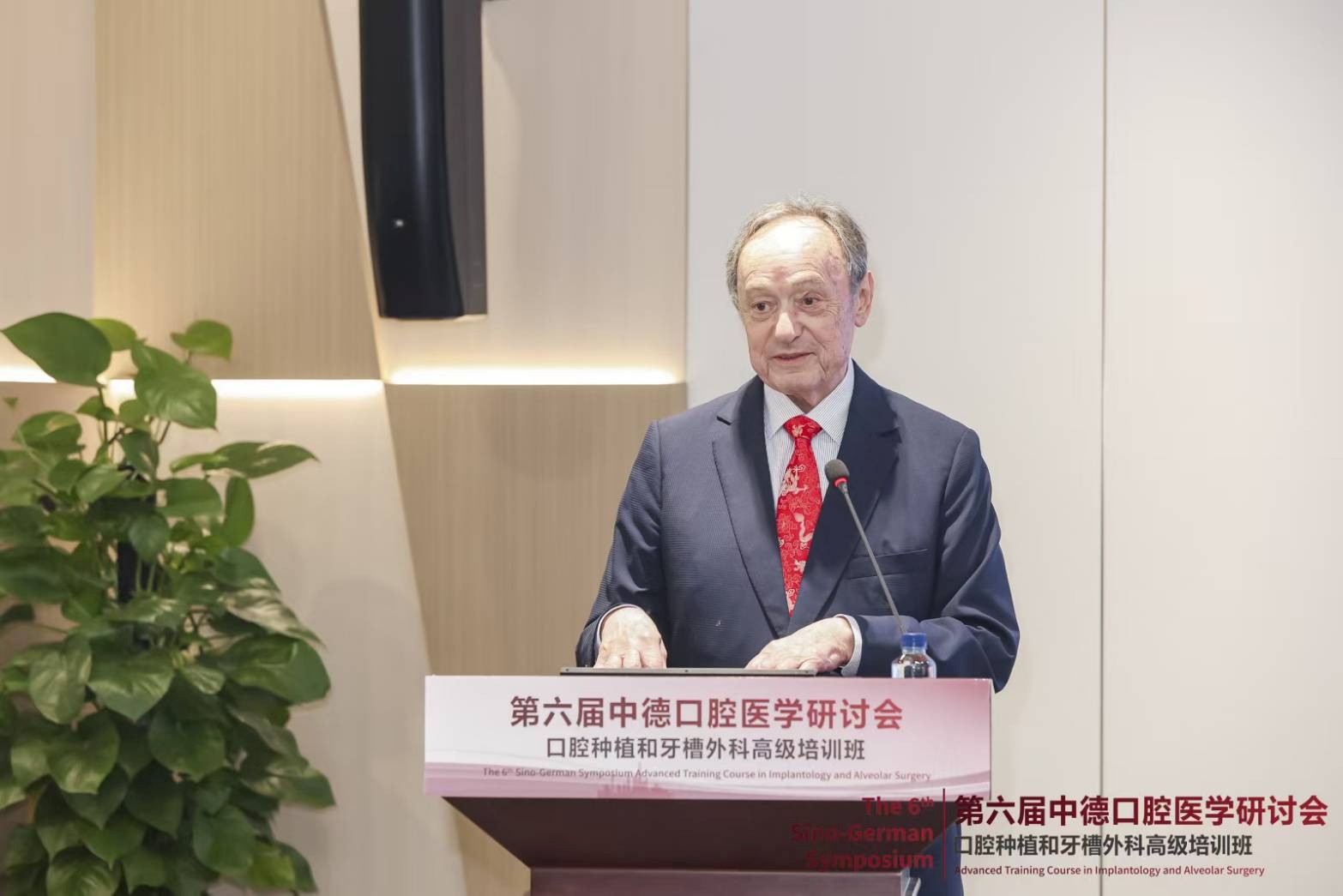
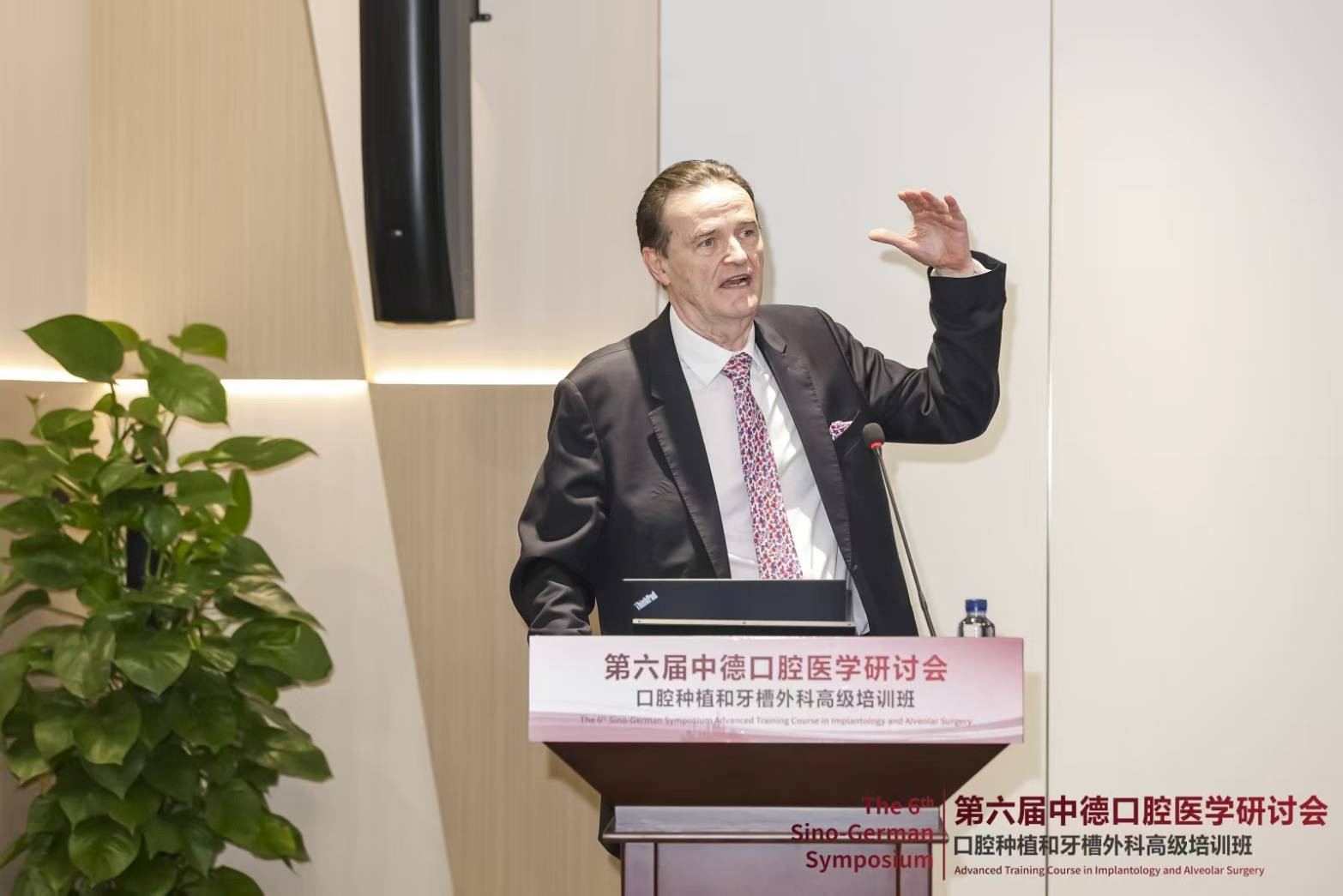
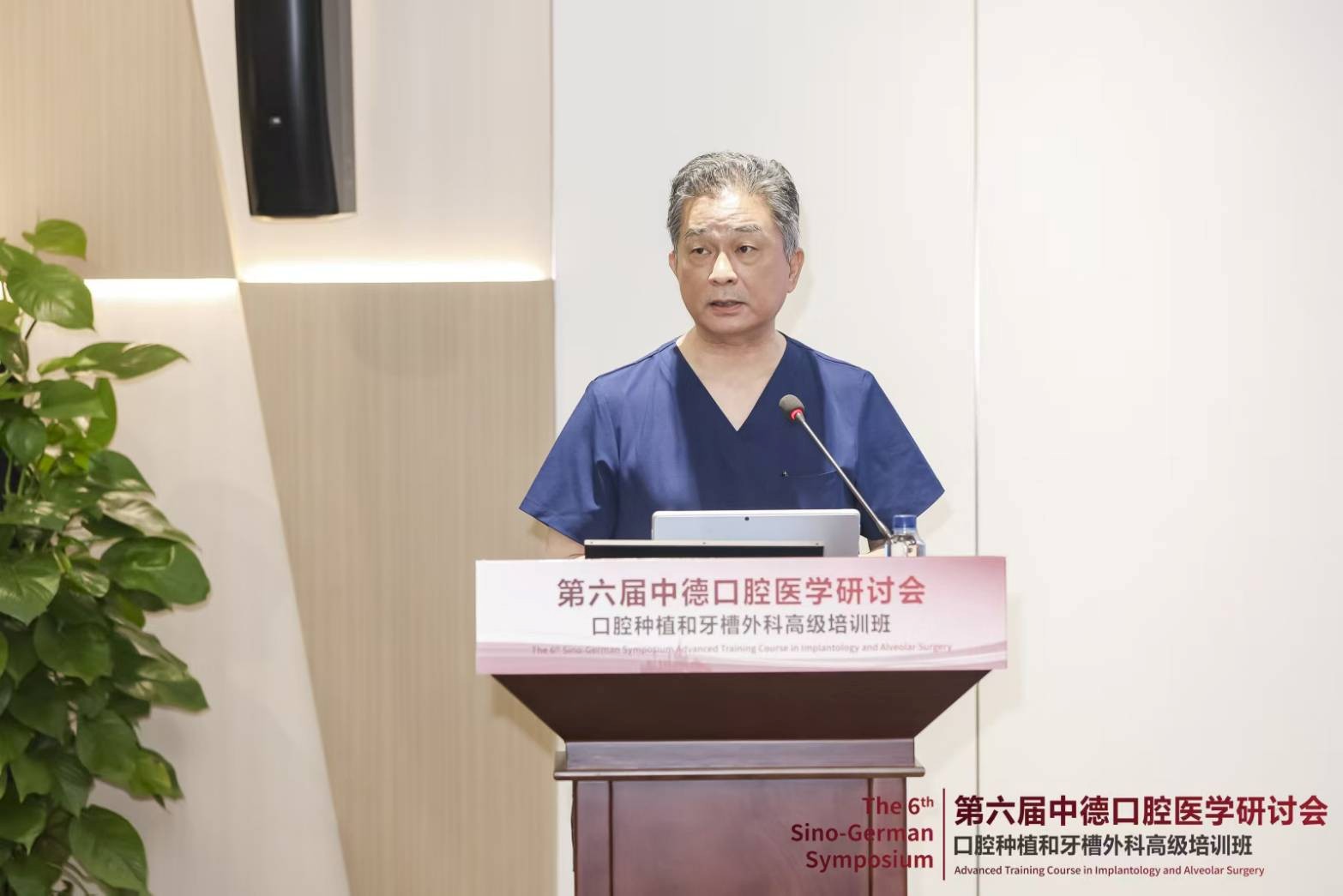
The first day of the academic program focused on the theoretical foundations and clinical definitions of alveolar surgery, featuring a comprehensive, guideline-driven, and multidisciplinary curriculum. Under the moderation of Prof. Zou Duohong, the day began with lectures on key clinical practice guidelines, including sedation and analgesia (Prof. Zhang Wei) and local anesthesia techniques for complex extractions (Prof. Zhao Jihong).
Prof. Yang Chi presented a live surgical demonstration of complex impacted tooth extraction based on digital technology, exemplifying precision surgical techniques. Further lectures addressed extraction management in medically compromised patients (Prof. Hu Kaijin), and perioperative guidelines for those on bisphosphonates and oral antithrombotics (Prof. Pan Jian).
In the afternoon, Prof. Xu Guangzhou explored minimally invasive approaches to jaw cysts, while Prof. Yang Chi discussed multidisciplinary management of impacted teeth. The program concluded with two internationally oriented sessions: Prof. Ulrich Joos presented on bone replacement materials, followed by Prof. József Piffkó’s lecture on bone augmentation techniques.
The day was marked by robust expert discussions, exchanging clinical insights and standardizing procedural protocols. This high-density, evidence-based schedule delivered a powerful knowledge foundation and fostered collaboration in advancing clinical alveolar surgery.
Day 2| June 24, 2025
Topic: Vertical Bone Defect Repair and Reconstruction
Host: Prof. Man Yi
The second day of the symposium addressed one of the most complex challenges in implantology; the repair and reconstruction of vertical alveolar bone defects. Under the guidance of Prof. Man Yi, the full-day agenda delivered an in-depth exploration of surgical advancements, regenerative principles, and interdisciplinary integration.
Prof. Su Yucheng opened the session with a detailed discussion on complex sinus bone grafting procedures. Prof. Man Yi introduced novel strategies for the restorative treatment of vertical alveolar defects, emphasizing minimally invasive techniques and tissue regeneration. A live surgical demonstration on sinus floor elevation by Prof. Zou Duohong showcased critical technical nuances of the lateral approach, providing real-time education on maxillary augmentation.
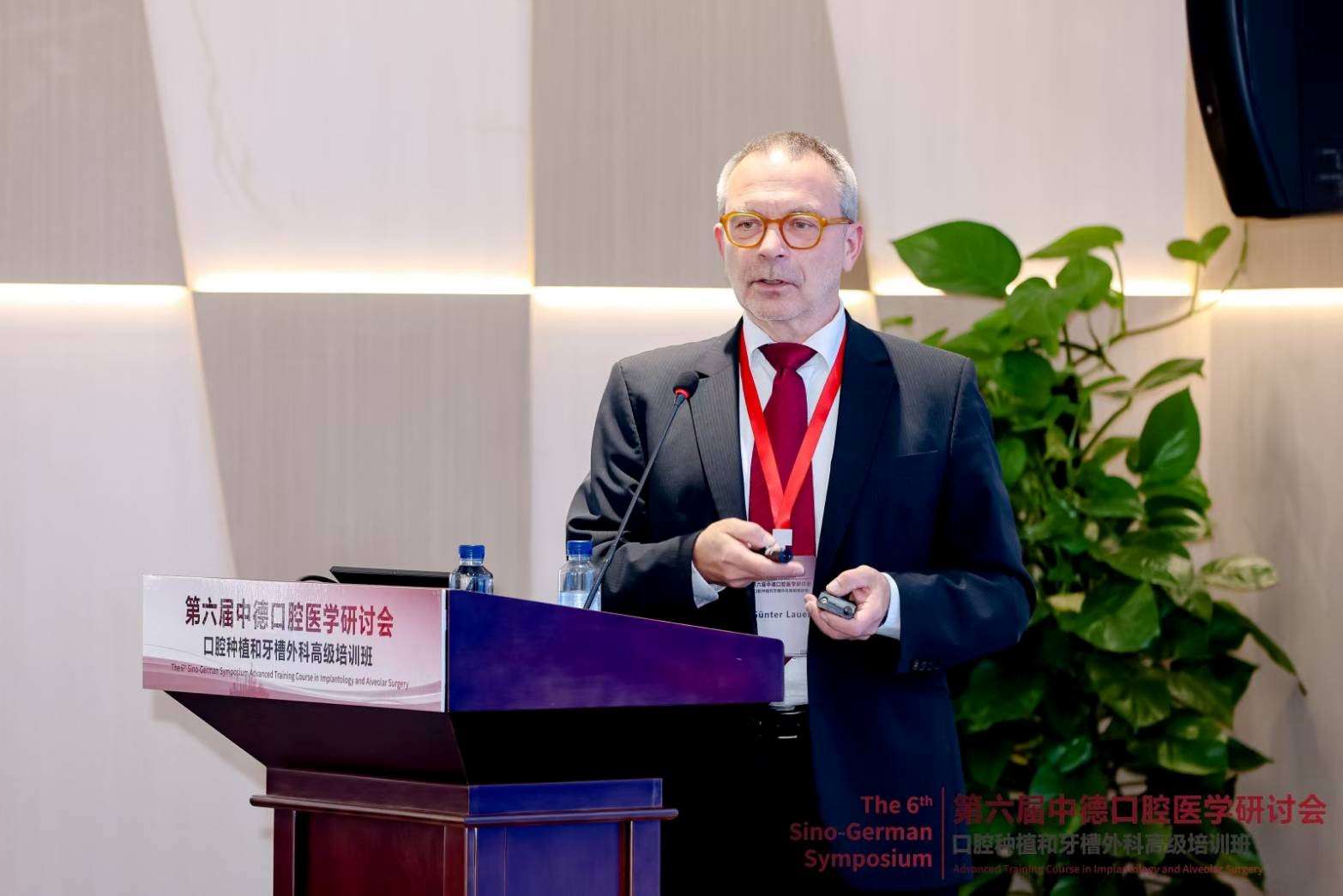
International perspectives were highlighted by Prof. Günter Lauer, who shared his clinical experience for treating severely atrophied mandibles and managing special implant cases. Prof. Thomas Beikler contributed a two-part lecture on periodontal disease management and its clinical interplay with implant therapy, reinforcing the need for interdisciplinary cooperation
In the final sessions, Prof. Yang Chi introduced the periodontally accelerated osteogenic orthodontics (PAOO) bone grafting technique as a promising method for alveolar bone reconstruction. Prof. Wang Zuolin concluded with an in-depth presentation on the osteogenic mechanisms and clinical protocol selection in sinus elevation procedures.
The day culminated in a dynamic discussion, reflecting broad engagement and clinical curiosity. By bridging theoretical foundations and surgical innovation, Day 2 empowered clinicians to tackle vertical bone loss with greater precision and confidence.
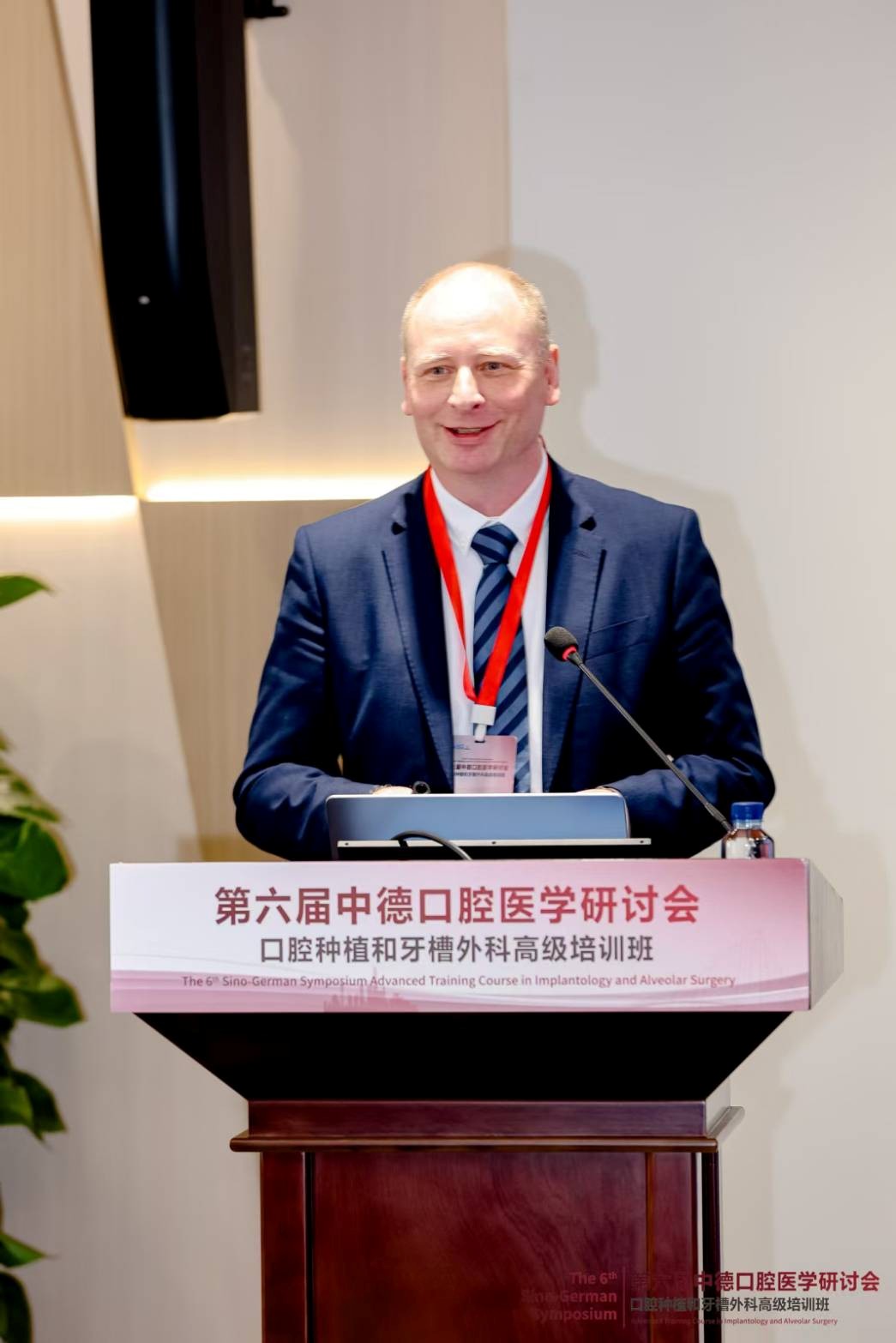
Day 3| June 25, 2025
Topic: Repair and Reconstruction of Hard and Soft Tissue Defects
Host: Prof. Ding Xi
Day 3 of the symposium addressed the complex interplay between hard and soft tissue reconstruction in oral implantology. Hosted by Prof. Ding Xi, the day combined high-difficulty surgical demonstrations, biomaterial innovations, and digital advancements in full-arch rehabilitation.
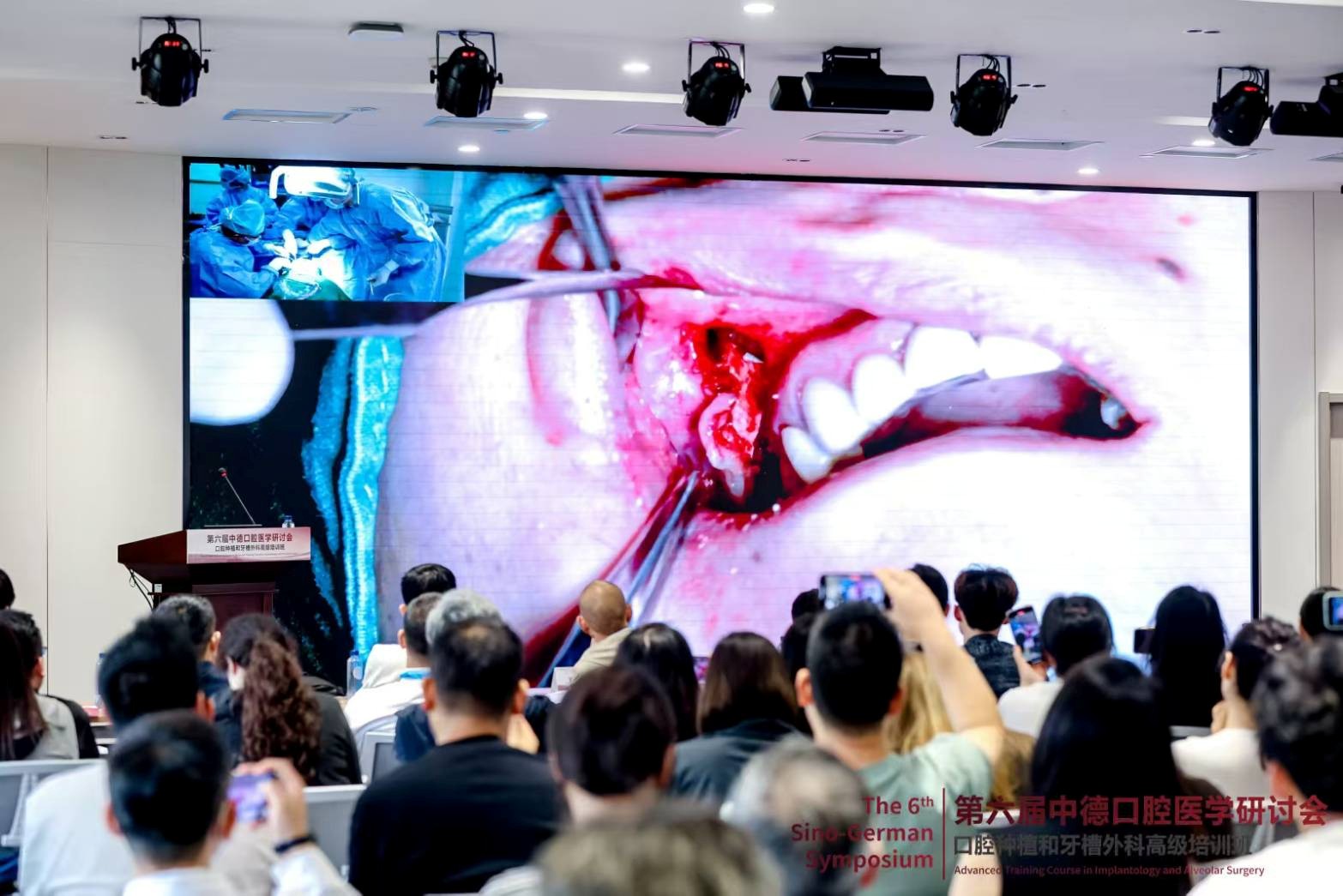
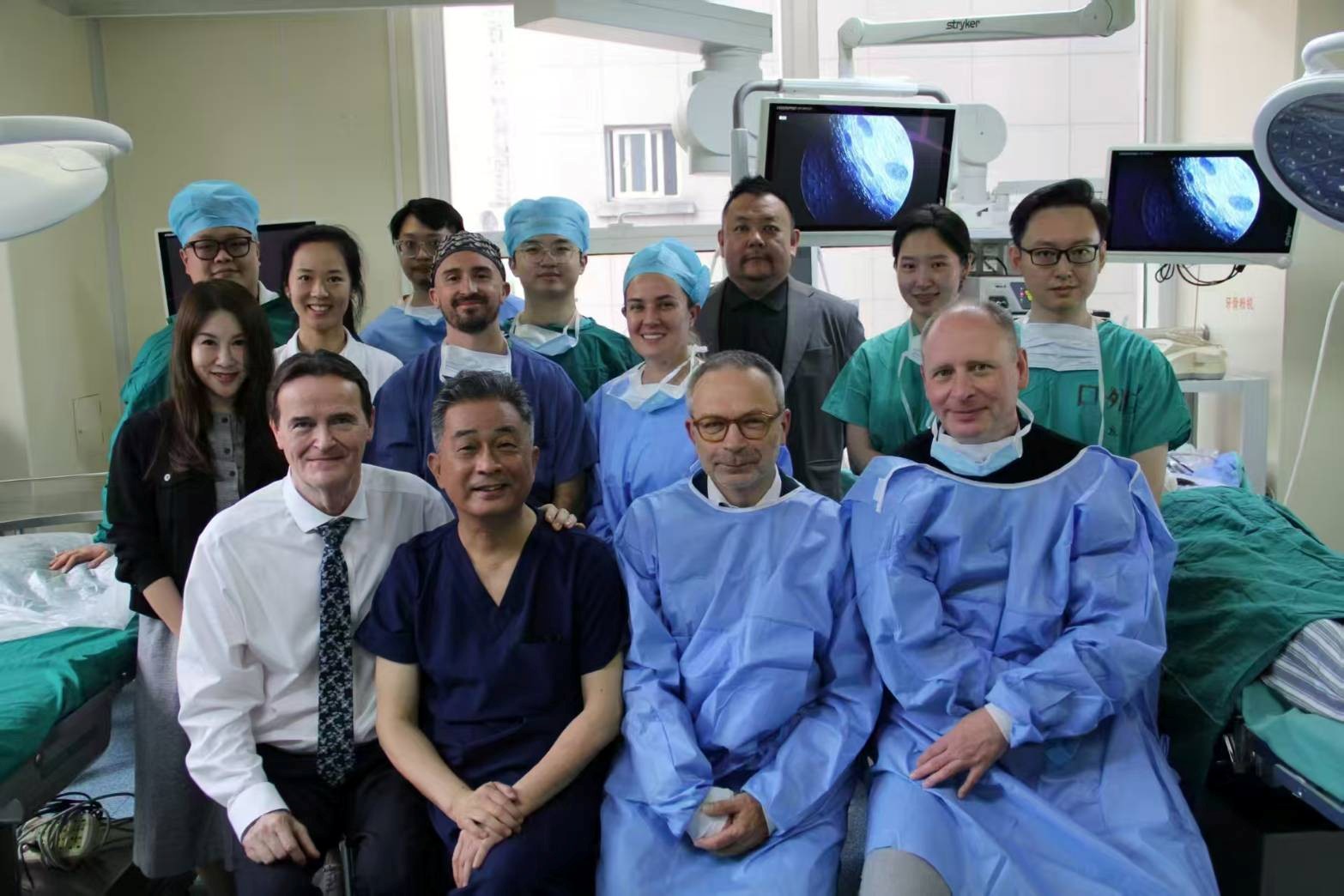
The morning featured two live surgical demonstrations: Prof. Yang Chi presented a PAOO bone grafting procedure, demonstrating accelerated alveolar ridge augmentation. Prof. Zou Duohong followed with a groundbreaking surgery using the novel tent nail system for severe alveolar bone defect reconstruction, showcasing a structural innovation in vertical support and volume maintenance.
In the afternoon, Prof. Zhang Jian provided a systematic analysis of vertical bone augmentation techniques, offering a clinical framework for predictable outcomes. Prof. Wang Huiming discussed the future of intelligent implant solutions for edentulous patients, integrating digital planning and smart prosthetics.
International guest Prof. George Anastassov contributed insights on reconstructing the atrophic maxilla with an emphasis on anatomical limitations and esthetic outcomes. Prof. Yuan Quan elaborated on soft tissue grafting as a key to long-term stability, and Prof. Li Dehua closed the day with advanced approaches in vertical ridge augmentation and anterior esthetic implant therapy.
With rich expert discussions throughout, the program emphasized a full-spectrum approach, from hard-tissue volume rebuilding (e.g., PAOO, tenting, block grafts) to soft tissue integration and future-facing technologies, offering a comprehensive model for complex oral reconstruction.
Day 4| June 26, 2025
Topic: Therapeutic Developments in Complex Dental Implants
Host: Prof. Yang Jingwen
Day 4 focused on the evolving therapeutic landscape of complex dental implantology. Under the moderation of Prof. Yang Jingwen, the program provided a systematic exploration of critical surgical techniques, prosthetic protocols, tissue management, and digital innovations.
The day opened with Prof. Man Yi discussing the standardized application of zygomatic implant techniques, offering practical guidance for managing severe bone deficiency. Prof. Yang Jingwen followed with a structured overview of full- and half-mouth implant rehabilitation, highlighting key principles for edentulous case planning. A live surgical demonstration by Prof. Wu Yiqun on zygomatic bone implantation provided direct clinical insights into one of the most demanding techniques in oral implantology.
Afternoon sessions turned to soft tissue refinement and biological innovation. Prof. Sa Yue explored stabilization strategies for the anterior esthetic zone, while Prof. Zhang Xiaoxin offered a conceptual shift in tissue regeneration with the lecture titled “One small step may be a big step.” Prof. Ding Xin examined biomechanical complications in implant-supported restorations and outlined clinical countermeasures. Prof. Wang Feng introduced protocols for digitally guided immediate implant placement.
The day concluded with Prof. Wu Yiqun’s presentation on the clinical application and future potential of dynamic navigation systems and oral implant robots, underscoring the fusion of precision surgery and intelligent technology. Expert discussion followed, affirming the multi-dimensional approach required to improve outcomes in complex implant cases.
Day 5 | June 27, 2025
Topic: Zygomatic Implants and Implant Risk Management
Host: Prof. Xu Shulan
On the 5th day of the symposium, the focus turned to one of the most technically demanding domains in oral implantology: zygomatic implants and comprehensive risk management. Under the moderation of Prof. Xu Shulan, the sessions highlighted surgical innovation and safety protocols essential for managing complex anatomical and procedural challenges.
Prof. Zhou Guohui delivered a series of lectures covering the principles, complication management, and digital workflows of penetrating zygomatic implants. He also provided forward-looking insights into the present and future of computer-assisted oral surgery, showcasing its transformative impact on precision and predictability.
In the live surgery session, Prof. Wu Yiqun performed a full-mouth implant rehabilitation guided by digital planning and execution systems, underscoring the synergy between surgical expertise and technological support.
Risk control was a central theme of the afternoon. Prof. Zhou Qing discussed the prevention and management of intraoperative bleeding in alveolar surgery, reinforcing safety as a foundation of surgical success. Prof. Zou Duohong outlined standardized protocols for pterygoid implant placement, and Prof. Xu Shulan addressed the etiology, diagnosis, and treatment of peri-implantitis—an essential topic in long-term implant maintenance. Prof. Yu Youcheng concluded with strategies for managing complications associated with sinus augmentation procedures.
In total, Day 5 offered a robust framework for combining high-difficulty implant solutions with full-spectrum risk control. Through rich discussion and clinical sharing, the day laid down a strategic and evidence-based approach to advancing the safety and success of complex dental implant therapy.
Day 6 | June 28, 2025
Topic: Complications of Prosthetic Reconstruction and Implantation of Severe Bone Defects
Host: Prof. Qiu Lixin
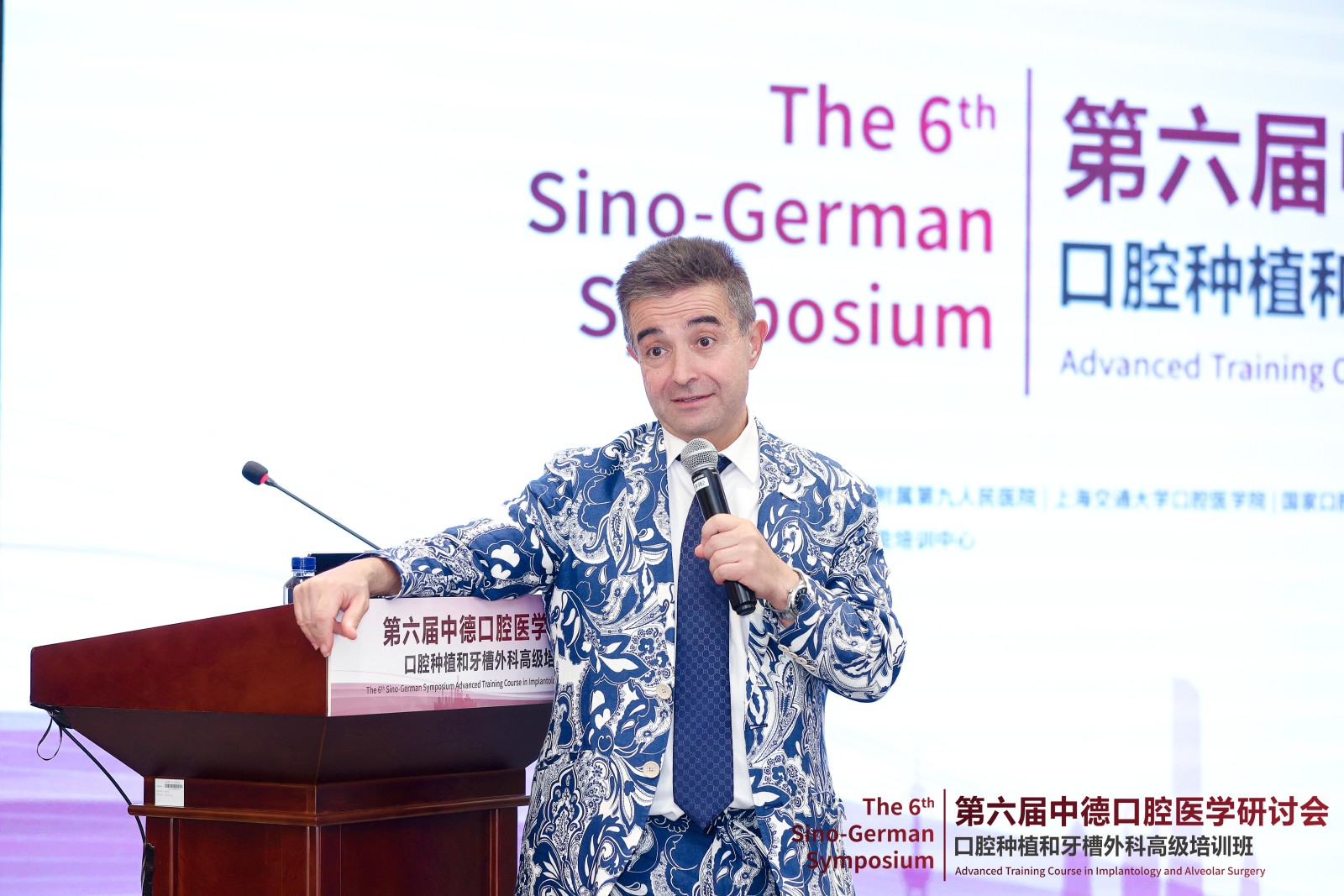
The sixth day of the symposium delivered an intensive exploration of complex implant complications and advanced reconstructive techniques for severe alveolar bone defects. Hosted by Prof. Qiu Lixin, the day featured a blend of global expertise and in-depth local clinical practice.
Renowned international expert Prof. Fouad Khoury led a comprehensive series of lectures titled Bone Augmentation and Soft Tissue Management Parts I, II, and III. His sessions provided a detailed and structured framework for the reconstruction of severe bone loss cases, integrating surgical precision with long-term biological stability. This master-level curriculum offered participants a deep understanding of combined hard and soft tissue management strategies.
Prof. Qiu Lixin presented an extensive clinical review of block bone grafting for the restoration of large alveolar defects. His insights emphasized the technical challenges and decision-making pathways in managing the most critical cases with limited native bone.
In the afternoon, Prof. Lin Haiyan introduced a complete digital workflow for implant restoration in edentulous jaws. Her lecture highlighted the role of digital planning in enhancing clinical efficiency and accuracy. Prof. Chen Zetao concluded with a scientific analysis of the osteogenic mechanisms involved in maxillary sinus elevation, translating foundational biology into clinical protocols.
The day concluded with expert discussion that centered on the long-term stability of complex reconstructions. By combining global surgical strategies with domestic innovation and scientific fundamentals, Day 6 established a solid platform for addressing the most demanding challenges in implantology.
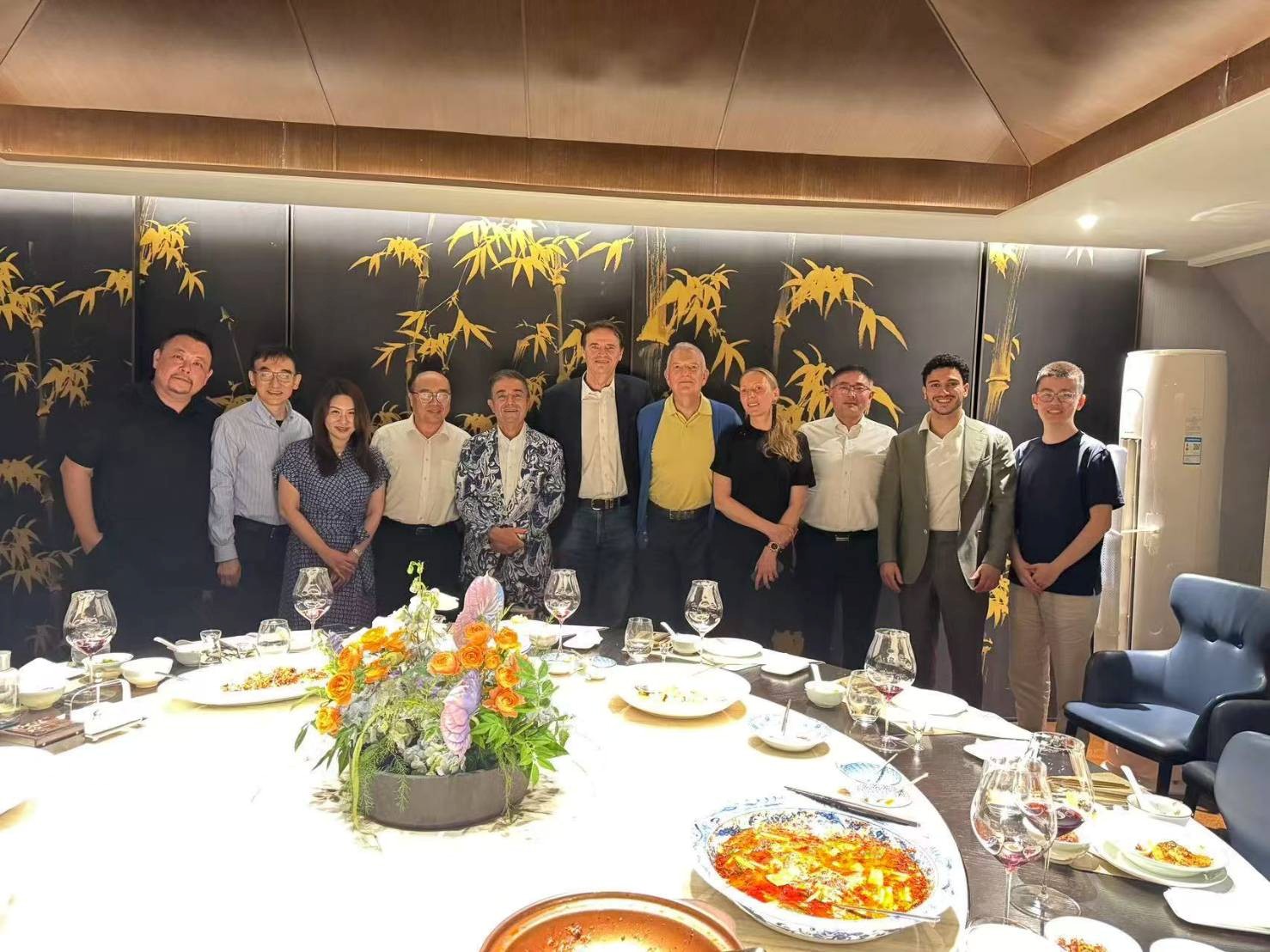
Day 7 | June 29, 2025
Topic: Implant Prosthetics for Specialized Patients
Host: Prof. Zou Duohong
The final day of the symposium focused on implant prosthetic rehabilitation in specialized patient groups. Led by Prof. Zou Duohong, the sessions addressed systemic complexities, esthetic challenges, and advanced reconstructive protocols in compromised cases.
Prof. Chen Zhuofan began with a lecture on advanced implant esthetics, emphasizing precision and harmony in the anterior zone. Prof. Chen Jiang followed with a comprehensive overview of full-mouth digital implantology, providing a framework for efficient digital workflows in complex restorations.
Prof. George Anastassov delivered two insightful lectures. The first focused on complicated full-mouth rehabilitation cases, offering clinical strategies for high-difficulty implant therapy. The second addressed implant-related disasters, presenting prevention strategies and treatment protocols for high-risk complications.
Prof. József Piffkó shared evidence-based guidance on managing implant therapy in patients with diabetes, a prevalent systemic condition with profound impact on outcomes. In the closing hands-on sessions, Prof. Ulrich Joos performed two live surgical demonstrations on implant placement in patients with congenital or acquired malformations, illustrating surgical solutions for extreme anatomical challenges.
Throughout the day, expert discussions reflected the multifaceted nature of implant rehabilitation in specialized cases. Topics included systemic risk factors, digital precision, full-arch reconstruction, and surgical interventions for complex deformities. The program delivered actionable strategies and global insight into one of the most critical domains in contemporary implantology.
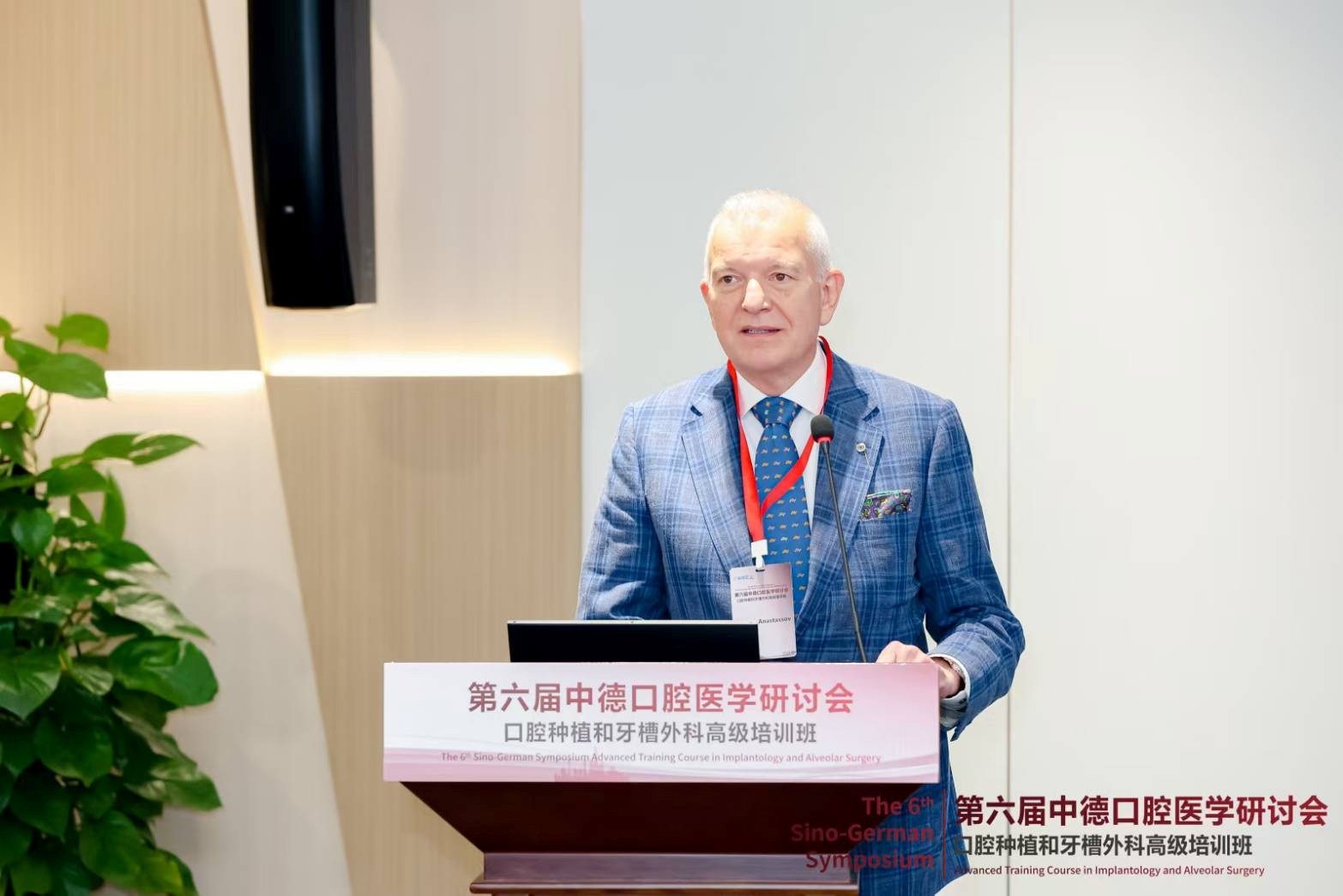
Symposium Recap: A Seven-Day Comprehensive Journey
From June 23 to 29, the 6th Sino-German Symposium on Implantology and Alveolar Surgery offered a complete spectrum of implant knowledge. The seven-day academic event covered everything from surgical protocols in alveolar surgery and vertical bone augmentation to soft tissue management, zygomatic and pterygoid implants, complex case planning, and digital innovations.
Highlights included:
- Over ten live surgeries demonstrating techniques such as digital-guided impacted tooth removal, block grafting, osteotomy-guided implants, and malformation corrections
- Evidence-based guidelines and expert consensus lectures
- Global perspectives from leading experts including Prof. Joos, Prof. Piffkó, Prof. Khoury, Prof. Anastassov, Prof. Lauer, and Prof. Beikler
- In-depth exploration of future-focused topics such as dynamic navigation, robotic surgery, AI integration, and regenerative biology
The symposium concluded with forward-looking discussions and high-level clinical exchanges, marking a milestone in interdisciplinary collaboration and implant innovation. This academic summit strengthened clinical practice and built bridges for future cooperation in implant dentistry.